We live in a world of powerful 24/7 media. Every day we consume huge amounts of information. Television, social networks, newspapers, advertising – we receive information messages from everywhere. That’s the reason why it’s important to know what media literacy is, why our society is called informational and how the media affects us.
Between the 14th and the 18th of February students of TSATU had an opportunity to take part in an event “Media Literacy Week” held by Olena Suprun, Senior Teacher of the Department of Foreign Languages, who had taken a course for teachers in media literacy and gained knowledge and skills on the subject.
The English-speaking event was aimed at students in years 2-4 of all specialties and was driven by the need to clarify the concept of “media literacy”, as students are constantly faced with the need to search and select information from hundreds of web links.
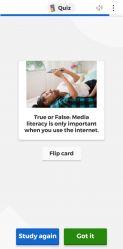
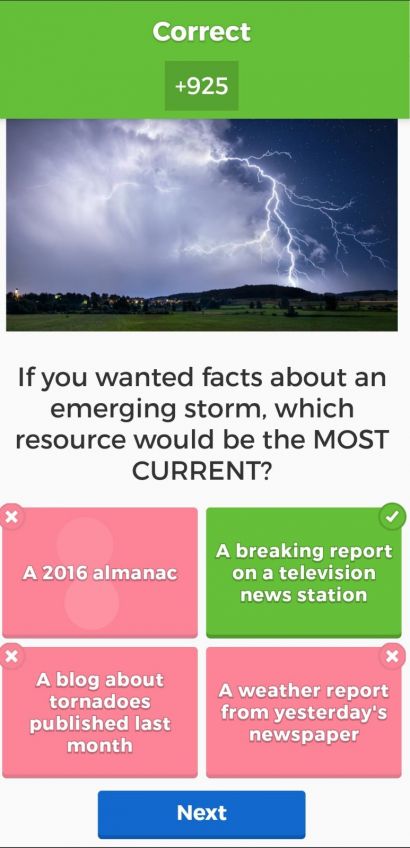
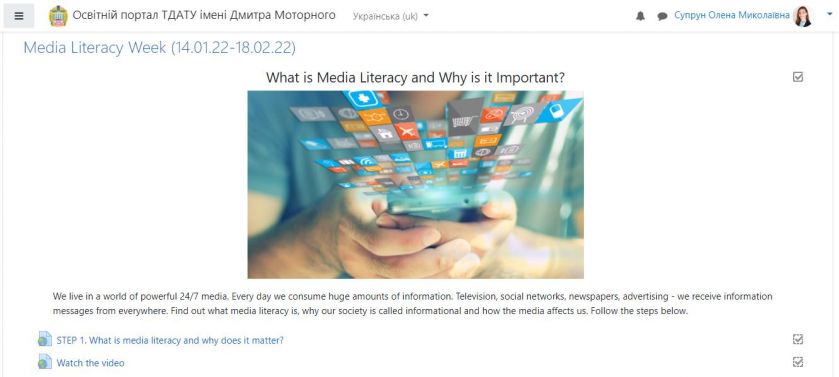
The event combined online discussions in groups of students, individual tasks on Moodle platform “TSATU Educational Portal” and team games on the web resource Kahoot!.
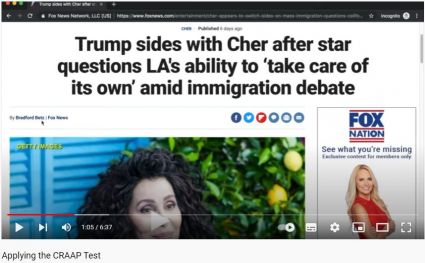
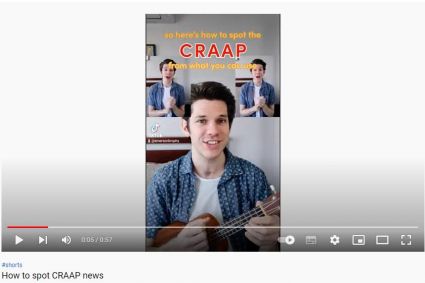
The students found out the following: what media literacy is and what impact it has on the society, they learned to spot the difference between media messages and media effects, fake news, media bias, to analyse and evaluate media content and question the media they consume. They practiced their skills of evaluating information sources by using C.R.A.A.P. test which is an acronym that stands for Currency, Relevance, Authority, Accuracy and Purpose.
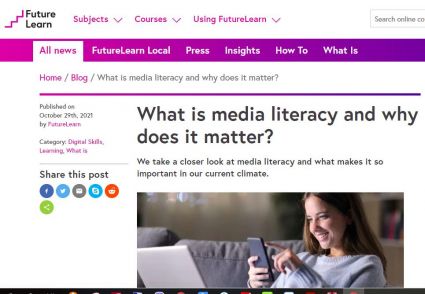
Students showed great interest in the topic and recognized the relevance of media literacy skills as they have to deal with tons of sources in their course work. In addition, students received links to useful resources on media literacy, including online courses on the platform FutureLearn and EdEra.
The organizers of the event are grateful to the students for their active participation and hope for their further deepening of knowledge on the topic of information and media literacy.
Olena Suprun
Senior Teacher of the Department of Foreign Languages